
In recent years, military forces around the world have focused primarily on speed and procurement scale. But the battlefield in Ukraine has drawn many people’s attention to something else: even relatively inexpensive anti-drone systems can deliver results far exceeding their cost. As these low-cost solutions begin to demonstrate their practical value in combat, nations will naturally turn their attention to the users with the most experience in this area.
In April 2026, Ukrainian President Volodymyr Zelenskyy publicly confirmed something that defense analysts had been quietly discussing for months: Ukrainian electronic warfare systems and drone interceptors are already operating in Gulf countries and have reportedly been used against Iranian drone threats. More than 200 Ukrainian specialists have been deployed to the Middle East. At least 11 countries have requested Ukrainian counter-drone expertise. Three separate ten-year defense cooperation agreements have already been signed.
A country fighting for its own survival has somehow become an exporter of air-defense knowledge. That feels backwards at first. Then you look at the economics. A Ukrainian interceptor drone reportedly costs between $1,000 and $3,000. A Shahed attack drone costs roughly $30,000. A Patriot interceptor missile can cost millions. The math isn’t complicated. The implications are enormous.
The Air Defense Industry Just Got Disrupted. People often describe drones as the future of warfare. That phrase misses the point. Drones aren’t the future anymore. They’re infrastructure. The real story in 2026 isn’t the drone itself. It’s the growing industrial system built around detecting, tracking, jamming, intercepting, and destroying them at scale.
Look at what happened over the past four years. Russia’s extensive use of Shahed drones beginning in late 2022 forced Ukraine into a giant wartime innovation laboratory. Traditional air-defense systems worked, but they were expensive. Sometimes absurdly expensive.
Using a multimillion-dollar missile to destroy a relatively cheap drone makes military sense during emergencies. Doing it every night for years is another matter entirely. Sooner or later somebody asks the uncomfortable question: What if the interceptor costs less than the target? Ukraine appears to have spent years answering exactly that question. The result isn’t merely a new drone. It’s an entirely different procurement philosophy. Gulf States Aren’t Buying Hardware. They’re Buying Experience.
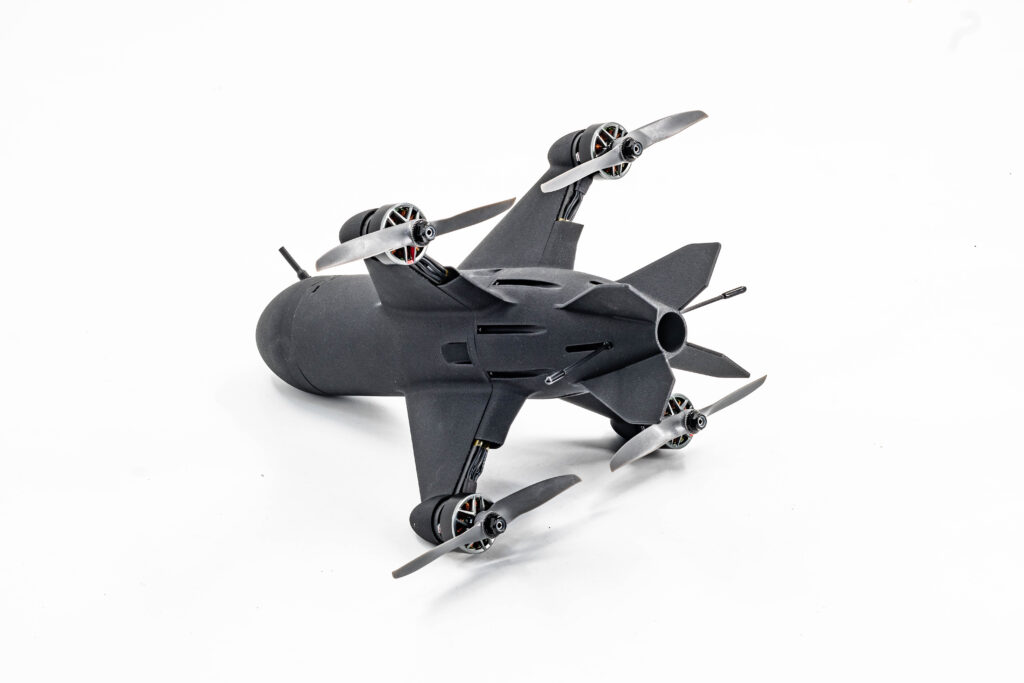
Many observers focus on the equipment. Wild Hornets. Skyfall. General Cherry. Interesting companies. Interesting products. But the hardware may actually be the least valuable part of the package. The asset countries are really seeking is operational knowledge accumulated under constant attack.
Ukraine has faced thousands of drone threats across multiple categories: Traditional Shahed loitering munitions, Fast maneuvering drones, Jet-powered unmanned aircraft, Mixed electronic warfare environments,Coordinated swarm-style attacks. There is no peacetime test range that can replicate that level of exposure. No military simulation produces identical lessons.
Combat creates data. Lots of it. And data eventually becomes expertise. That’s why more than 200 Ukrainian specialists deploying overseas might matter more than exporting a few hundred interceptor drones. They’re transferring hard-earned methods, not just equipment.
Aren’t Patriots Still Better? Yes. And no. This is where defense discussions often become strangely emotional. Patriot systems remain among the most capable air-defense platforms ever built. Nobody serious is arguing otherwise. But capability and affordability are different conversations. A Ferrari is faster than a delivery van. Most logistics companies still buy vans. The modern drone threat increasingly resembles a logistics problem.
Large numbers of inexpensive airborne targets appear repeatedly. They attack infrastructure, energy facilities, military bases, ports, radar sites, and ammunition depots. Defenders don’t simply need successful interceptions. They need sustainable interception. That’s a completely different metric.
One successful missile launch is impressive. Ten thousand affordable interceptions over several years is strategic. Ukraine seems to understand this distinction better than almost anyone. Which helps explain Zelenskyy’s proposal to exchange Ukrainian counter-drone technology for American PAC-2 and PAC-3 interceptor missiles. At first glance it sounds unusual. Actually, it sounds like a country recognizing where its competitive advantage now exists.
The Strange Rise of the Wartime Startup Economy. Another overlooked aspect of this story is industrial. Ukraine’s drone ecosystem didn’t emerge from a traditional defense acquisition process. It evolved under pressure. Rapid iteration replaced lengthy procurement cycles. Small companies tested ideas. Bad concepts disappeared quickly. Useful concepts survived. Some improved weekly. Others improved monthly. The pace resembles software development more than conventional weapons manufacturing.
Look, that’s slightly unfair to the software industry. Sometimes Ukraine’s battlefield feedback loops appear even faster. A drone design works. Enemy defenses adapt. Engineers modify the platform. Operators test it again. Repeat and repeat. That environment produced companies capable of responding to real-world threats rather than hypothetical specifications.
Now Gulf nations appear interested not only in purchasing systems but also in involving Ukrainian firms directly in infrastructure protection projects. That matters because it shifts Ukrainian companies from wartime suppliers into international security service providers. The distinction is important. Selling products creates revenue. Providing ongoing protection creates recurring revenue.
Defense ministries understand the difference. Investors certainly do. The Jet Drone Problem Is Bigger Than Most Headlines Suggest. One detail from Zelenskyy’s remarks deserves more attention.
Ukraine claims its technologies have successfully engaged not only conventional Shahed drones but also newer high-speed and jet-powered unmanned aircraft. That changes the conversation. Traditional drone defenses often assume relatively slow targets. Jet-powered drones compress reaction times. Detection windows shrink. Decision-making accelerates. Interception becomes harder.
And unfortunately, global trends suggest these systems are becoming more common rather than less. Several countries are investing heavily in faster unmanned platforms capable of carrying larger payloads across greater distances. If Ukraine has genuinely developed scalable methods for defeating such threats at relatively low cost, international demand will likely increase. Not gradually. Rapidly.
A decade ago, few analysts would have predicted Ukraine becoming a global supplier of counter-drone expertise. Five years ago, even fewer would have expected Gulf states to seek Ukrainian operational assistance. Yet here we are. History occasionally produces these strange reversals. Countries forced to solve urgent problems often become leaders in those specific domains. Israel did it with missile defense. South Korea did it with advanced artillery systems. Ukraine may now be doing it with affordable counter-drone warfare.
Because that’s the lesson emerging from 2026. The future of air defense may not belong exclusively to the nation with the largest missile inventory. It may belong to whoever can destroy threats cheaply, repeatedly, and at industrial scale.
But that is not the point. The fact that an increasing number of countries are turning to Ukraine for guidance speaks to the value others see in its approach. Ukraine has garnered attention not because it possesses the most expensive or powerful weapons, but because it has developed more efficient ways to deploy small unmanned systems despite limited resources.