
Let’s start with the uncomfortable number.
2%. That’s the actual penetration rate of drone-based facade cleaning in 2024. Not 20%. Not “rapidly scaling.” Two. Percent. And yet, companies are already talking about owning over 90% of the future market. Look, that’s not confidence—that’s a signal. A very loud one.
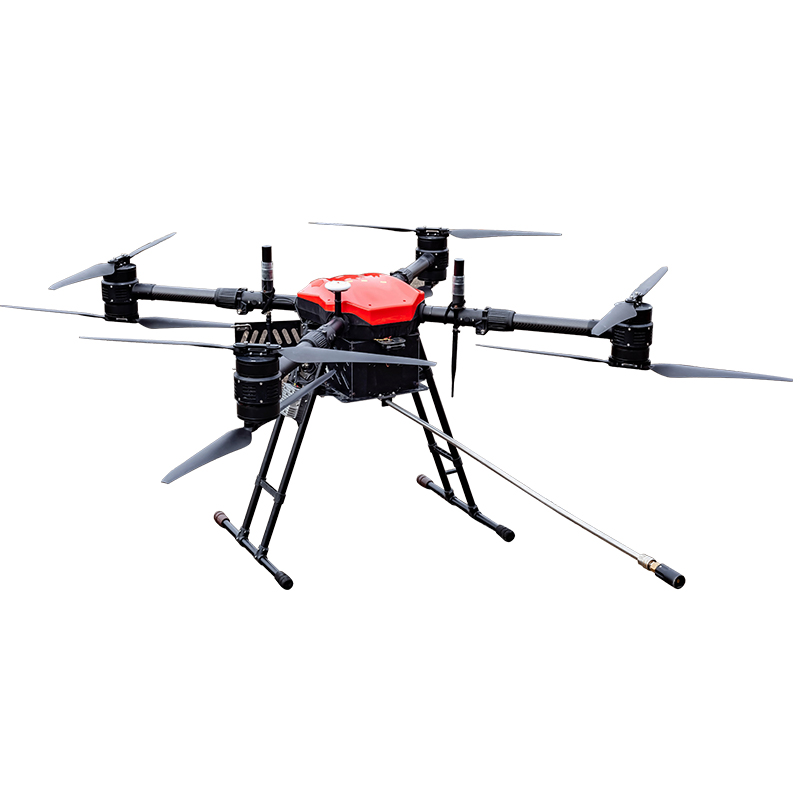
The pitch behind cleaning drones for sale sounds irresistible on paper. Replace human “spider-men” dangling off skyscrapers with autonomous machines. Cut cleaning time from 10 days down to just 2. Reduce risk. Increase efficiency. Add a touch of futuristic gloss.
It works. Technically. But here’s the thing—this isn’t really about drones. It’s about systems. Take the numbers coming out of Fuchen Aviation Technology Co., Ltd.. Two days to clean a building with drones, versus seven to eight workers needing around ten days. That’s a 5x efficiency gain, at least on the surface.
Impressive. No argument there. But efficiency in isolation is a trap.Because when you zoom in, the real breakthrough isn’t the drone—it’s the ground station. The part nobody sees in promotional videos.
Traditional setups? 30 to 40 minutes just to assemble pumps, hoses, and cleaning agents. That’s dead time. Expensive, unscalable dead time.Their new system cuts that down to 5–10 minutes. Plug in power. Plug in water. Plug in the drone. Done. That’s not innovation in aviation. That’s operational engineering.
And frankly, it matters more. Here’s where things get interesting. The cleaning solution ratio—90% water, 10% detergent—used to be manually estimated. Workers eyeballing it. Adjusting mid-job. Inconsistent results. Now it’s automated.
Sensors. Pumps. Algorithms. Sounds trivial, right? It’s not. That level of control is what turns a “drone demo” into a repeatable commercial service. So yes, the drone flies. But the system decides whether the business survives.
And yet, despite all this progress, the industry is still crawling. 2% penetration in 2024, according to Yiou Think Tank. Projected to hit 20% by 2030. That sounds like explosive growth—until you realize what it implies.
Eighty percent of the market will still not be using drones by the end of the decade. Let that sink in. Why? Because replacing human labor isn’t just a technical problem. It’s structural. Buildings aren’t standardized. Water access isn’t guaranteed. Regulations vary wildly across regions. Insurance frameworks lag behind reality.
And then there’s cost. Nobody likes to talk about it, but buying cleaning drones isn’t like buying a pressure washer. It’s a system purchase. Hardware, training, maintenance, logistics. Which is why Fuchen Airlines has only secured 20 to 30 orders so far.
Not thousands. Not hundreds. Dozens. That’s not failure—it’s early market reality. Still, something is shifting. Quietly. The labor side is breaking first.
Younger workers aren’t lining up to become high-rise cleaners. No surprise there. Hanging off buildings with a rope isn’t exactly a dream job in 2026. So the supply of human labor is shrinking. That changes the equation. Suddenly, a drone that’s merely “competitive” becomes necessary.
Not better. Just… available. Here’s the counter-intuitive part. The biggest driver for cleaning drones for sale might not be efficiency at all. It’s labor avoidance.
Think about expansion plans. The company is already eyeing Southeast Asia, then Europe and the US. At first glance, that seems aggressive. But it actually makes sense.
Higher labor costs in Western markets mean the ROI threshold for automation is lower. You don’t need a 5x efficiency gain to justify drones—you just need to beat expensive human wages.
Ironically, the least “high-tech” factor—salary—might accelerate adoption faster than any engineering breakthrough. But let’s not pretend this is a guaranteed takeover. The claim of capturing over 90% of the market? That’s… optimistic. Borderline fantasy.
What’s more realistic? A fragmented ecosystem. Service providers using drones in dense urban zones. Traditional crews still dominating smaller cities. Hybrid models emerging—humans plus machines, not humans replaced.
Because full automation in messy, real-world environments rarely happens in one leap. It creeps in. There’s also a subtle strategic shift happening. Companies aren’t just selling drones anymore. They’re selling outcomes.
Cleaning-as-a-service. Equipment bundled with operations. Data feedback loops. Maintenance contracts. Because once you sell a system instead of a product, you lock in customers. And that’s where the real money is.
Let me be blunt. The future of cleaning drones for sale isn’t about drones sitting on a shelf waiting to be purchased. It’s about integrated platforms that make ownership almost irrelevant. You don’t buy the drone. You buy the result: a clean building, delivered faster, safer, and predictably.
So where does that leave us? In an awkward middle phase. The technology works. The economics are… situational. The market is small but growing. And the narrative is running way ahead of reality. Classic early-stage industry behavior.
But here’s the part most people miss. The companies that win won’t be the ones with the fastest drones. They’ll be the ones who make the entire process—from setup to execution—feel invisible.
5 minutes to deploy instead of 40? That’s the kind of detail that scales. Not flashy. But decisive. And maybe that’s the real story here.
Not flying machines cleaning glass. But boring, unsexy integration work quietly rewriting an industry that hasn’t changed in decades.
Funny how that works.