
In recent years, the development of fiber-optic drones has followed a clear trajectory: the pursuit of more powerful jammers and more complex systems. They are driven by a very clear goal: to control the spectrum, and thereby take to the skies.
2026 has been unusually effective at destroying that assumption.
A growing number of battlefield incidents now suggest that the most disruptive drone innovation wasn’t an AI breakthrough, a new propulsion system, or even autonomous targeting. It was a return to something far less glamorous: a physical cable.
Look, that sounds ridiculous at first. After all, military technology is supposed to move toward greater connectivity, not toward drones dragging kilometers of fiber behind them. Yet real-world combat data is exposing an uncomfortable reality. In some environments, abandoning wireless communications altogether is proving more effective than trying to win an increasingly crowded electronic war.
The older narrative surrounding fiber-optic drones focused heavily on technical specifications. Cable diameters. Signal latency. Jam resistance. Those discussions weren’t wrong. They were just incomplete. What changed in 2026 wasn’t the technology itself. What changed was the casualty data.
As of May 2026, fiber-optic drones had reportedly become Hezbollah’s primary weapon against Israeli soldiers and civilians operating along the Israel-Lebanon border. That single fact should force defense planners to rethink years of assumptions.
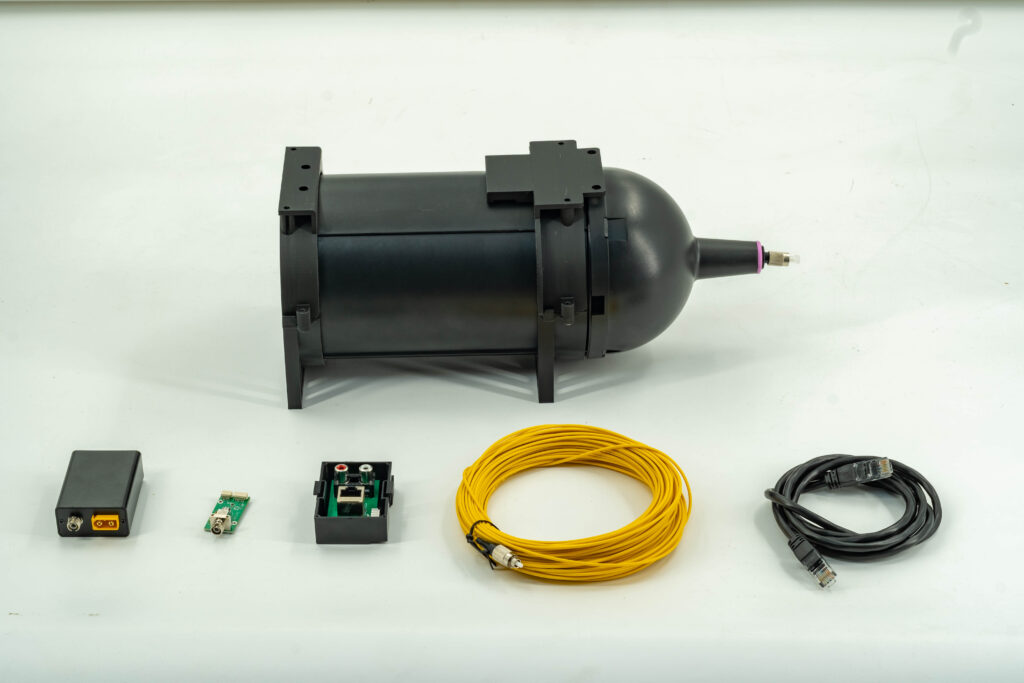
A technology category once described primarily as a niche workaround for electronic interference is now being linked directly to battlefield outcomes and human losses. On May 27, 2026, a fiber-optic drone strike near Shomera reportedly killed one Israeli soldier and injured two others.
Pause for a second. The older discussions framed fiber-optic drones as tools capable of surviving electronic warfare. The newer evidence suggests something much more significant: they are surviving long enough to become operationally dominant in specific sectors.
Since the April 2026 ceasefire, eleven Israeli soldiers and one civilian defense contractor have reportedly been killed, with eight of those fatalities attributed to fiber-optic drone attacks. That’s not a technical footnote. That’s a battlefield trend.
The historical argument was that radio-controlled drones were vulnerable because electronic warfare systems could interrupt command links. Fiber-optic drones solved that problem by replacing radio communication with a physical optical connection.
Simple. Brutally simple. And sometimes battlefield innovation works precisely because it ignores elegance.
Here’s the thing. Many analysts spent years discussing how advanced drone warfare would depend on increasingly sophisticated software-defined radios, AI-enhanced signal routing, and resilient mesh networks. Meanwhile, one of the most consequential developments involved removing the radio entirely.
The consequences are becoming visible in a literal sense. Reports from Israeli border communities describe fiber-optic cable remnants left on roads and terrain following attacks. Think about what that means. The drone leaves behind physical evidence of its communication architecture. The cable itself becomes part of the battlefield landscape.
Ironically, this also exposes one of the biggest weaknesses in earlier military analyses. Most evaluations concentrated on whether fiber-optic drones could survive electronic attack. Much less attention was given to whether they could generate sustained operational pressure over time.
The answer appears increasingly clear. More than 100 drone attacks against Israeli communities have reportedly been recorded since the ceasefire began in April 2026. That number changes the conversation.
We’re no longer talking about experimental deployments or isolated tactical successes. We’re talking about repeated operational usage at a scale large enough to influence security planning.
And this is where many of the older assessments begin to age badly. Traditional critiques correctly pointed out limitations involving cable fragility, maneuverability constraints, and restricted range. Those limitations remain real. Physics hasn’t changed.
What has changed is the cost-benefit equation. If a drone can reliably bypass electronic warfare systems and reach its target despite those constraints, military operators may willingly accept shorter ranges, reduced agility, and increased logistical complexity.
Counterintuitive? Absolutely. But warfare has never rewarded technological elegance. It rewards outcomes. Most reported attacks continue to focus on military forces operating in southern Lebanon, although strikes against civilian border communities have also increased. That shift matters because it demonstrates tactical flexibility rather than isolated battlefield utility. The bigger lesson may be uncomfortable for both drone manufacturers and defense planners.
For years, the industry largely framed electronic warfare as the ultimate answer to drone threats. Build better jammers. Build stronger spoofers. Expand spectrum dominance. 2026 is exposing the limits of that philosophy. A drone connected through glass fiber doesn’t care how sophisticated your RF jammer is. No radio signal. No spectrum battle. No electronic duel to win.
Just a physical link stretching across the battlefield. And suddenly the conversation moves from electronic warfare back to something almost primitive: finding, cutting, tracking, or physically destroying a cable.
Technology history is full of moments like this. Complex systems become vulnerable because they assume future threats will also become more complex. Then a simpler solution arrives and rewrites the rules.
Fiber-optic drones may not replace conventional drones. They probably won’t. But the battlefield evidence emerging in 2026 suggests they are no longer a specialized curiosity. They have become a case study in how military innovation often advances sideways rather than forward.
Not through greater sophistication. Through selective abandonment of sophistication. That distinction is making a very real difference on the battlefield today.