Seboar UAV Engineering Team

Can high-speed interceptors really be used as defensive equipment?

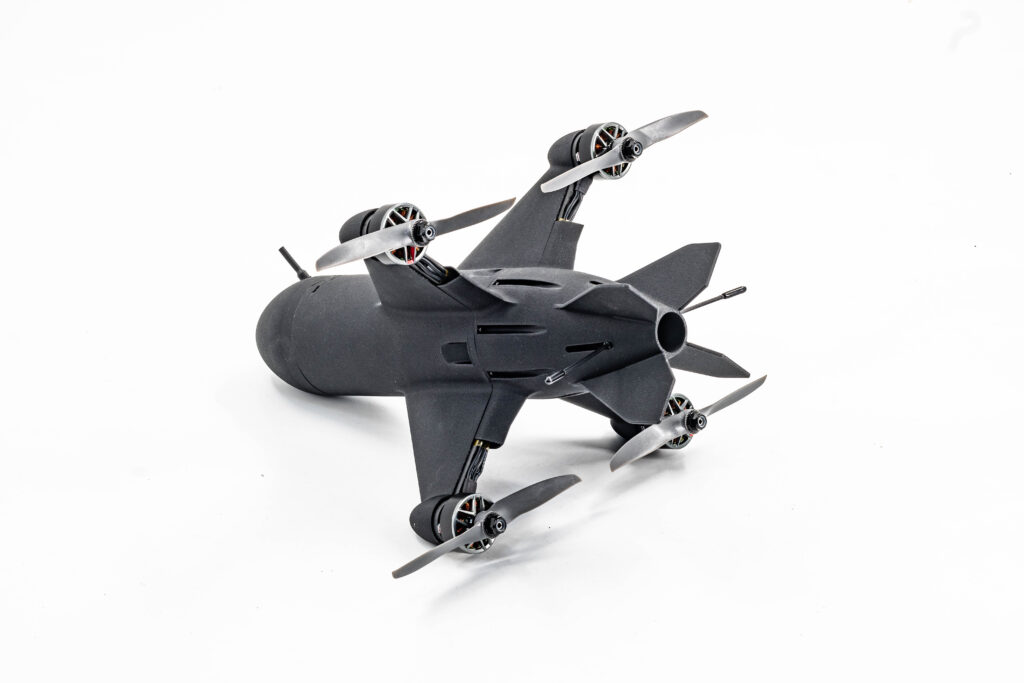
In recent years, military forces around the world have focused primarily on speed and procurement scale. But the battlefield in Ukraine has drawn many people’s attention to something else: even relatively inexpensive anti-drone systems can deliver results far exceeding their cost. As these low-cost solutions begin to demonstrate their practical value in combat, nations will

Can high-speed interceptors really be used as defensive equipment? Read More »
Can drones really be the key to transforming the Navy’s approach to close-in defense??

In the past, naval vessels primarily focused on defending against incoming anti-ship missiles. Today, however, small drones are increasingly becoming a major headache for commanders. Although they cost far less than missiles, they can still force warships to take defensive action, consume expensive intercept resources, and increase the risk of detection. For navies around the

Can drones really be the key to transforming the Navy’s approach to close-in defense?? Read More »

Why are Smaller VTOL UAVs now Suddenly Everywhere?

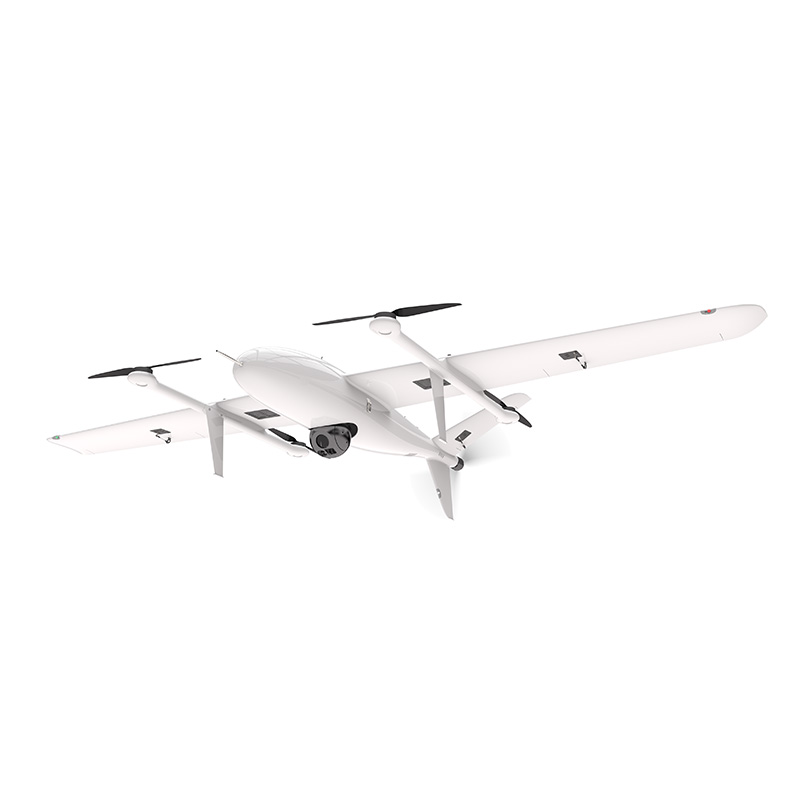
There seems to be a persistent obsession with the size of VTOL fixed-wing aircraft: larger wingspans, longer ranges, higher payloads, and more sensors and antennas. For years, it seems everything has been about pursuing bigger. However, the truly practical deployments are not based on these factors at all. Currently, smaller systems, faster deployment times, fewer

Why are Smaller VTOL UAVs now Suddenly Everywhere? Read More »

Cleaning drones have gradually lost their original purpose…

Many people believe that the competition in the cleaning drone market is about who can fly more stably and clean more efficiently. But what’s truly interesting about this market is that in the future, the deciding factor may not be the drones themselves, but rather who can truly complete the entire cleaning process. For years,

Cleaning drones have gradually lost their original purpose… Read More »

If not payload capacity, what else can the best cargo drone rely on?

A few years ago, during a routine logistics transport test, I watched a heavy-duty drone “crash.” According to the specs, it was supposed to be able to lift 40 kilograms. With its high-power motor, oversized propellers, and carbon-fiber body, the promotional materials made it sound like it could do anything. But once we got to

If not payload capacity, what else can the best cargo drone rely on? Read More »

Can fiber-optic transceivers survive in electronic warfare?

While everyone was still focused on the price of fiber optic transceivers, the defense industry was quietly carrying out a major overhaul to bring fiber optics back into the market. As part of this, traditional radio links have been gradually phased out without fanfare. That’s the real story hiding behind SEDI-ATI’s February 2026 launch of

Can fiber-optic transceivers survive in electronic warfare? Read More »

Why high-speed drones cannot move forward on speed alone

The drone industry has become increasingly cutthroat in recent years, with fierce competition over speed, performance, and more. However, China does not participate in this kind of intense and futile competition. Just imagine the 2015 Tianjin Helicopter Expo, where you could see heavy-duty drones, early-generation unmanned rotorcraft, and all sorts of futuristic hybrid-powered concept aircraft.

Why high-speed drones cannot move forward on speed alone Read More »

Why are foldable FPV drones becoming increasingly popular?

The development of drones is becoming increasingly diverse: faster, smarter, and more autonomous models are emerging. Today, FPV drones are undergoing a transformation in design—which may not sound like a major breakthrough, but in fact, it is. The advent of foldable drones has significantly reduced the hassle of travel. Let’s talk numbers first. Not the

Why are foldable FPV drones becoming increasingly popular? Read More »

ROC WING VTOL aircraft product illustration on a white background

Are fixed-wing drones about to take over from multirotor drones?!!

I’d like to put forward a very bold prediction: I suspect that within the next five years, most formal field operations will begin to phase out multirotor drones. Instead, they will shift to hybrid platforms, such as tiltrotor and fixed-wing drones. This shift is not driven by voluntary technological evolution, but rather by the inherent

Are fixed-wing drones about to take over from multirotor drones?!! Read More »

A 2% Market Pretending to Be a 90% Future

Let’s start with the uncomfortable number. 2%. That’s the actual penetration rate of drone-based facade cleaning in 2024. Not 20%. Not “rapidly scaling.” Two. Percent. And yet, companies are already talking about owning over 90% of the future market. Look, that’s not confidence—that’s a signal. A very loud one. The pitch behind cleaning drones for

A 2% Market Pretending to Be a 90% Future Read More »

Shopping Cart
Scroll to Top